
The Quiet Opulence of Jean-Louis Deniot
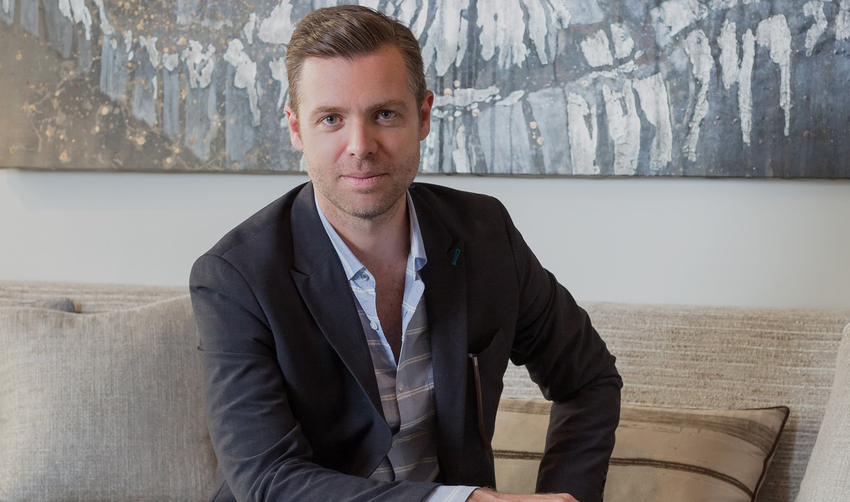
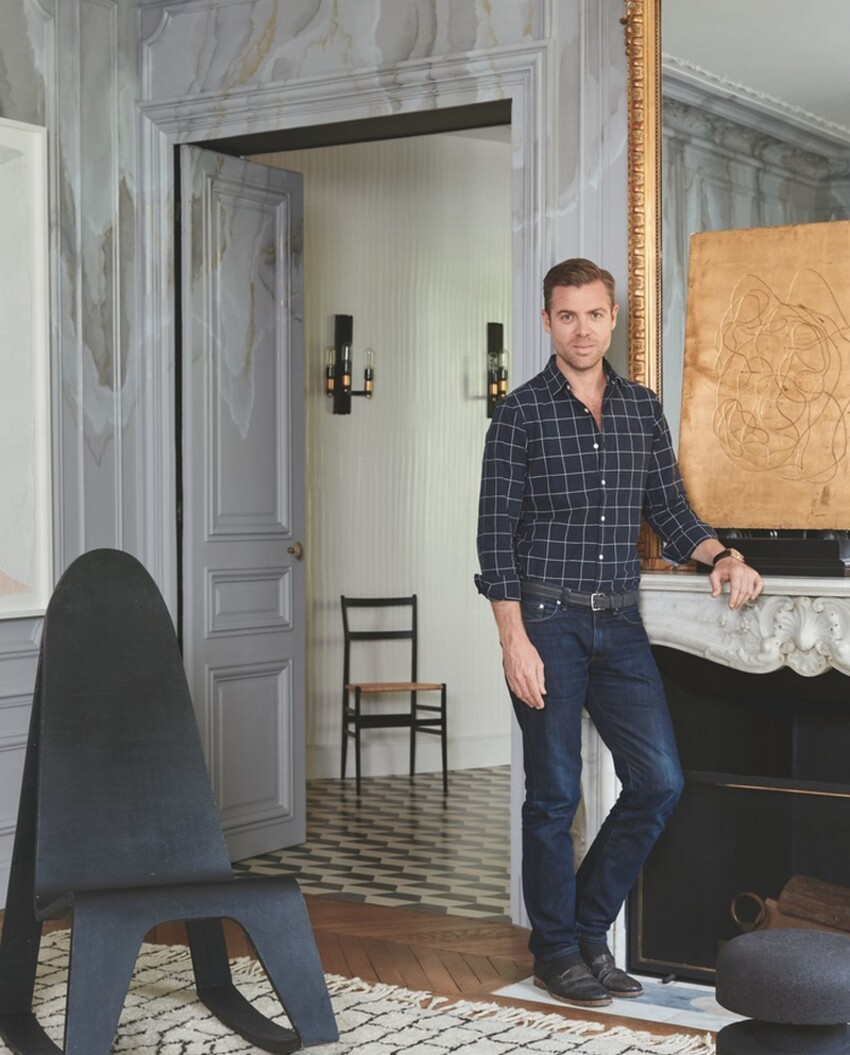
In the rarefied world of interior design, few names evoke as much intrigue as Jean-Louis Deniot. His rooms do not merely exist as decorated spaces but unfold like cinematic scenes, balancing aristocratic restraint with flashes of unexpected sensuality. There is always a whisper of Paris in his work, yet it never feels trapped in nostalgia. Instead, Deniot reshapes tradition into something modern, seductive, and emotionally charged, allowing every project to feel timeless without losing its pulse.
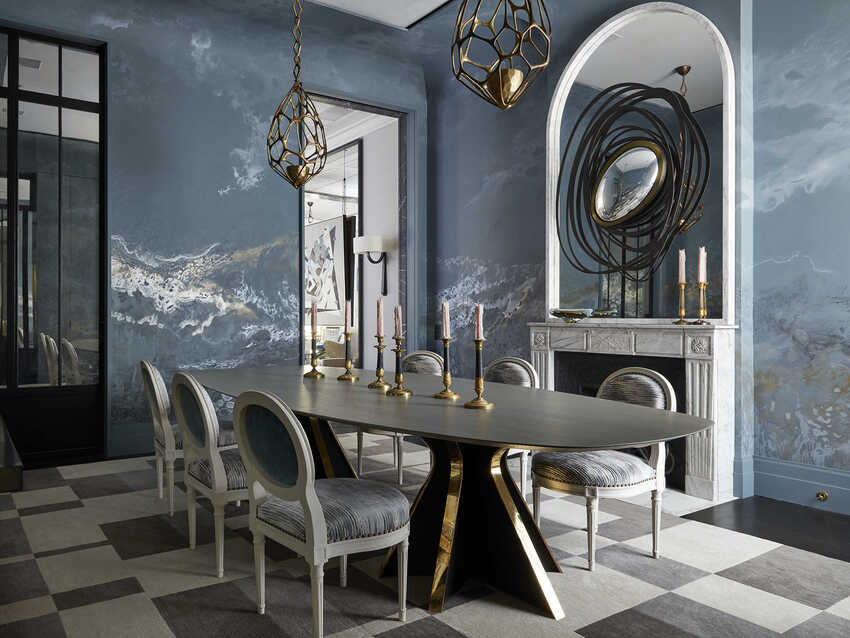
What makes Deniot particularly fascinating is his refusal to surrender to minimalism’s cold perfection. In an era obsessed with sterile surfaces and algorithmic aesthetics, his interiors celebrate personality. Velvet, bronze, marble, lacquer, and antique woods coexist with a kind of effortless confidence, creating environments that appear layered over decades rather than assembled overnight. His philosophy suggests that luxury is not about excess but about atmosphere, about the invisible tension between comfort and grandeur.
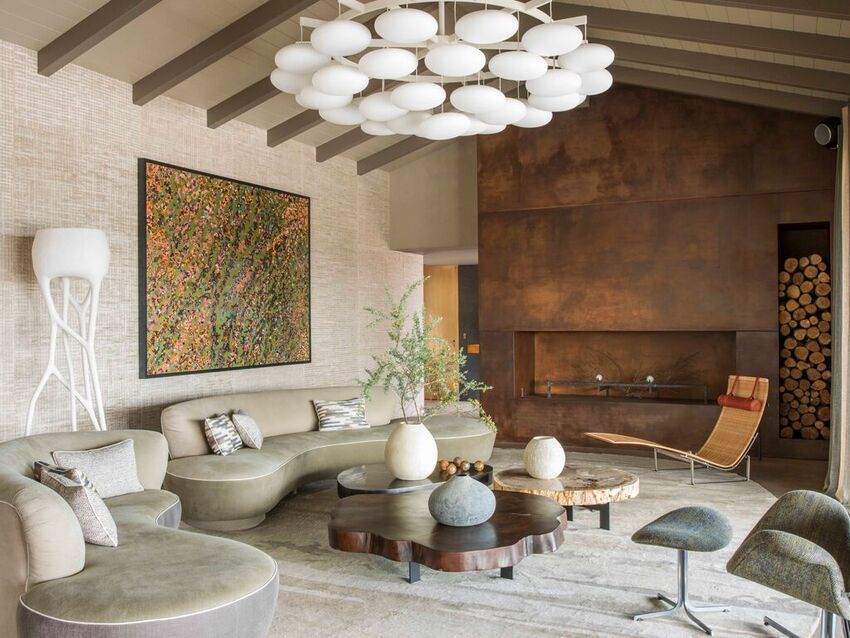
Deniot’s influence stretches far beyond private residences. Luxury hotels, collector apartments, and global hospitality spaces have become extensions of his visual language. Yet even at monumental scale, his work retains intimacy. A curved sofa placed beneath dramatic lighting can feel as emotionally deliberate as a line of poetry. He understands that interiors are deeply psychological, capable of altering mood, memory, and even identity. Walking into one of his spaces often feels less like entering a room and more like stepping into a carefully composed narrative.
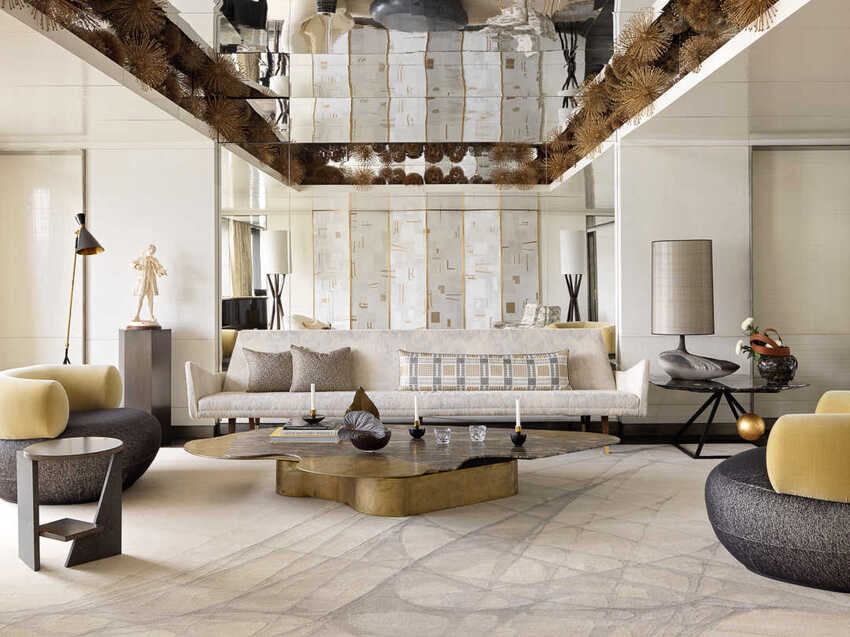
There is also a theatrical quality embedded within his approach, though never in a way that feels overwhelming. Deniot understands proportion with the precision of a couturier tailoring a bespoke suit. His rooms are edited with discipline, allowing silence and emptiness to play as important a role as ornament. This restraint prevents his designs from slipping into spectacle. Instead, they radiate quiet confidence, the kind associated with old world sophistication rather than fleeting trends.
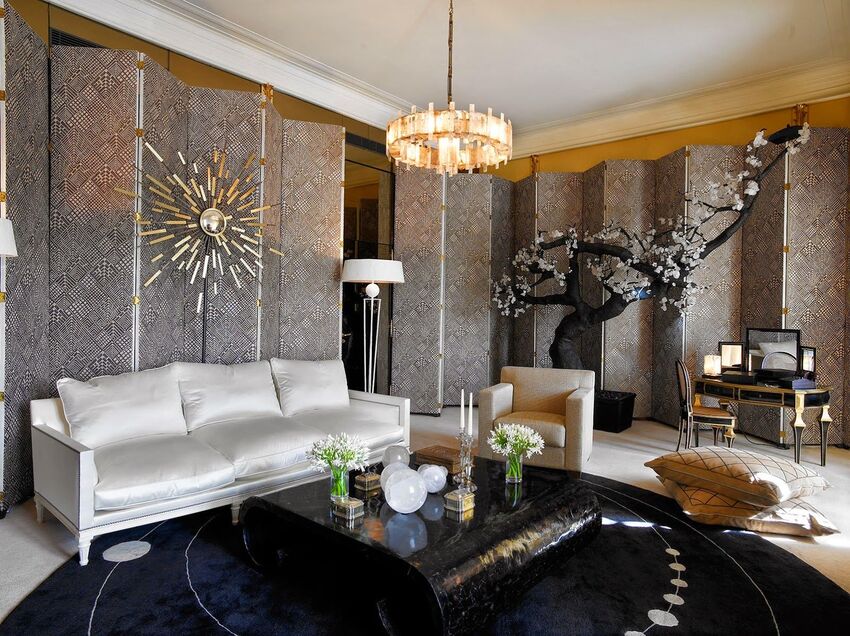
Perhaps this explains why his work resonates so strongly in contemporary culture. At a time when visual overload dominates social media and interiors are often reduced to disposable content, Deniot offers permanence. His spaces encourage contemplation rather than instant consumption. They resist the rapid churn of aesthetics designed only for photographs and instead reward prolonged attention. One begins to notice the subtle contrast between matte and gloss, the dialogue between shadow and texture, the emotional precision behind every object.
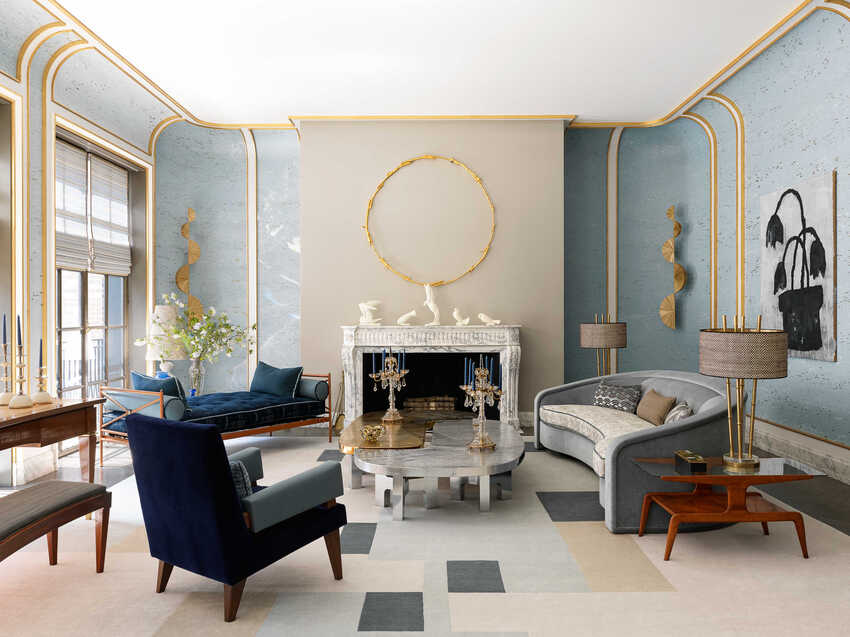
Ultimately, Jean-Louis Deniot represents more than a celebrated decorator. He embodies a larger cultural desire for beauty that feels human, layered, and emotionally intelligent. His interiors remind us that design is not simply about what we see but about what we feel when surrounded by thoughtful craftsmanship. In a restless modern world, his rooms offer something increasingly rare: elegance with soul.
//