Architects 49: Between Tradition and Tomorrow

Some architectural practices become influential by pursuing a recognisable style, while others build their identity through an enduring way of thinking. Established in Bangkok in 1983 by Nithi Sthapitanonda, Architects 49 began with a vision of timeless architecture defined by clean, simple, and elegant lines, while drawing inspiration from Thailand’s rich architectural and artistic heritage. More than four decades later, A49 has grown into one of Southeast Asia’s most established architectural practices, with a team of more than 200 collaborators working across Asia and the Middle East.
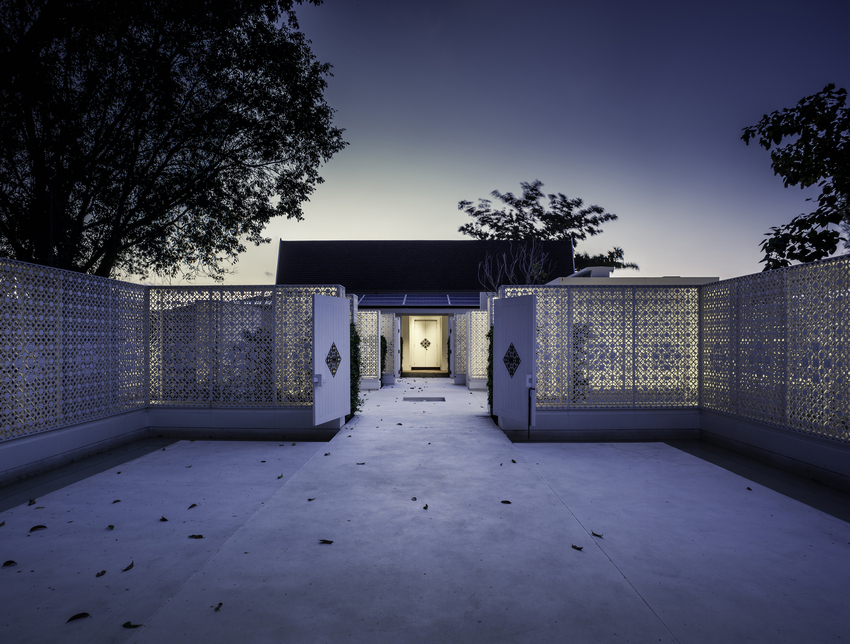
What makes A49 particularly compelling is its refusal to impose a single aesthetic on every project. From intimate residences and educational buildings to cultural institutions, hospitality destinations, commercial developments, and large mixed use environments, each commission is approached according to its own identity and context. The studio believes that every project should possess a distinctive character, allowing its architecture to respond naturally to its surroundings rather than simply reproduce a familiar visual formula.
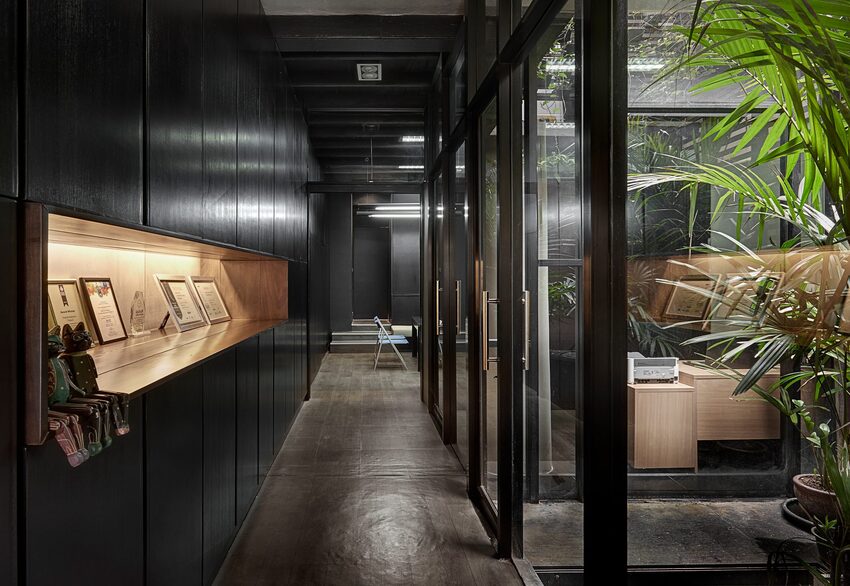
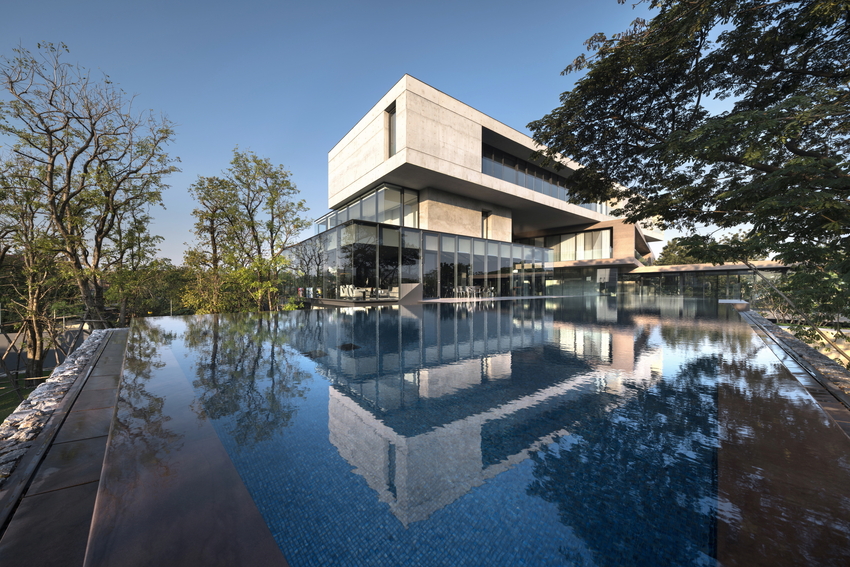
There is a quiet sophistication in this approach. A49’s architecture often relies on proportion, geometry, materiality, and carefully controlled details rather than excessive ornamentation. Concrete, stone, timber, glass, and metal can be combined to create a dialogue between solidity and transparency, while carefully framed openings establish connections between interior spaces and the world beyond. The result is architecture that feels contemporary without being detached from its environment.
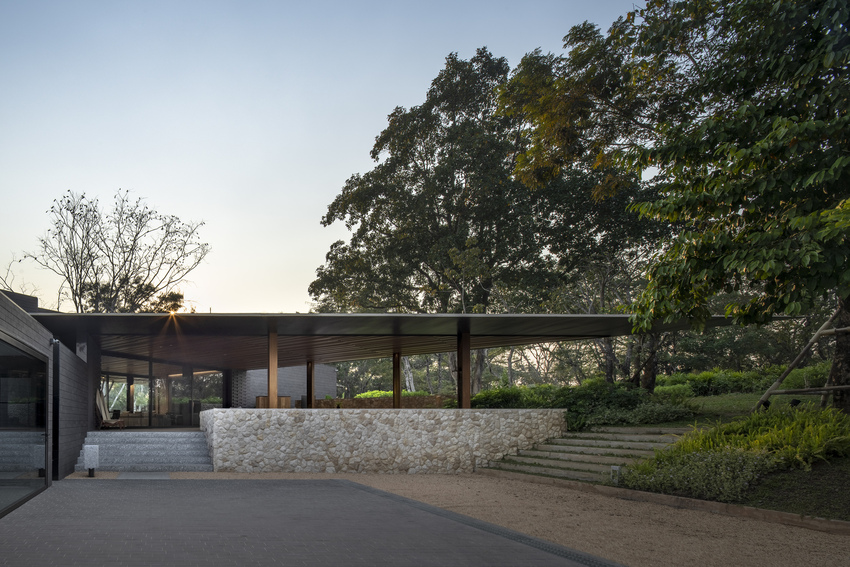

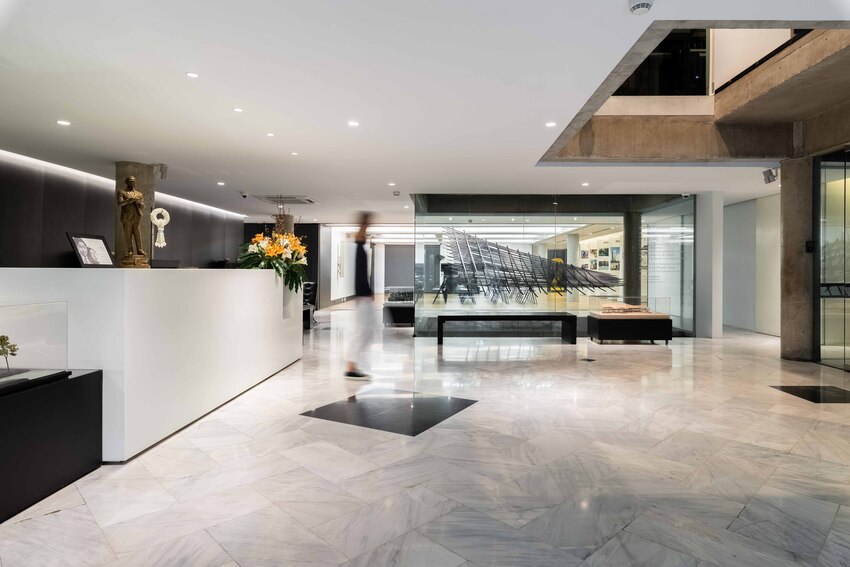
The studio’s relationship with Thai culture is equally significant. Rather than treating tradition as something to be replicated literally, A49 often explores how local architectural principles, craftsmanship, climate, and spatial traditions can inform contemporary design. This sensitivity to context has helped the practice develop projects that feel distinctly connected to Thailand while remaining relevant within an increasingly international architectural landscape. Its work on projects such as Prince Mahidol Hall, BU Diamond, and the VISTEC campus demonstrates the breadth of this approach.
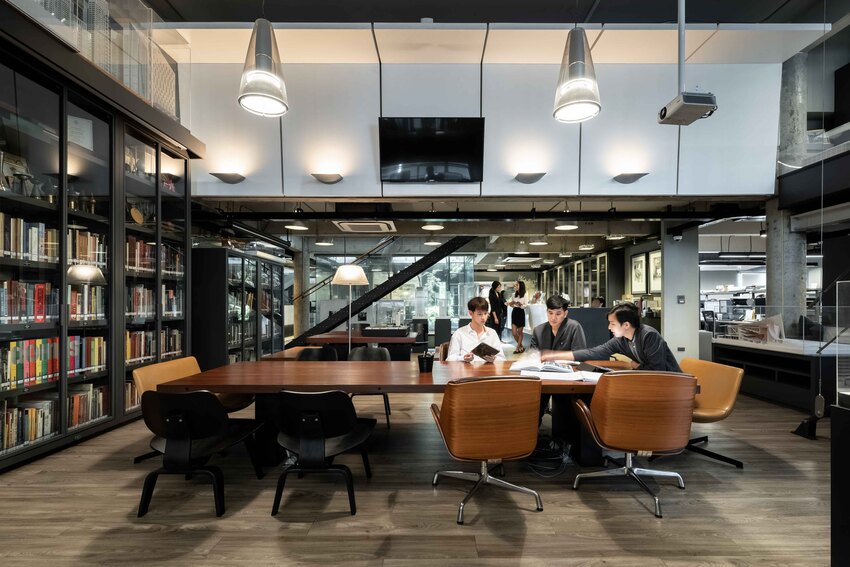
Collaboration is another essential part of the A49 philosophy. As part of the wider 49Group, the practice works alongside specialists in interior architecture, landscape architecture, lighting, engineering, consulting, branding, and experience design. This multidisciplinary structure allows complex projects to be considered from multiple perspectives, bringing architectural, technical, environmental, and experiential concerns together from the beginning. The result is a more integrated approach in which the building is understood as part of a much larger environment.
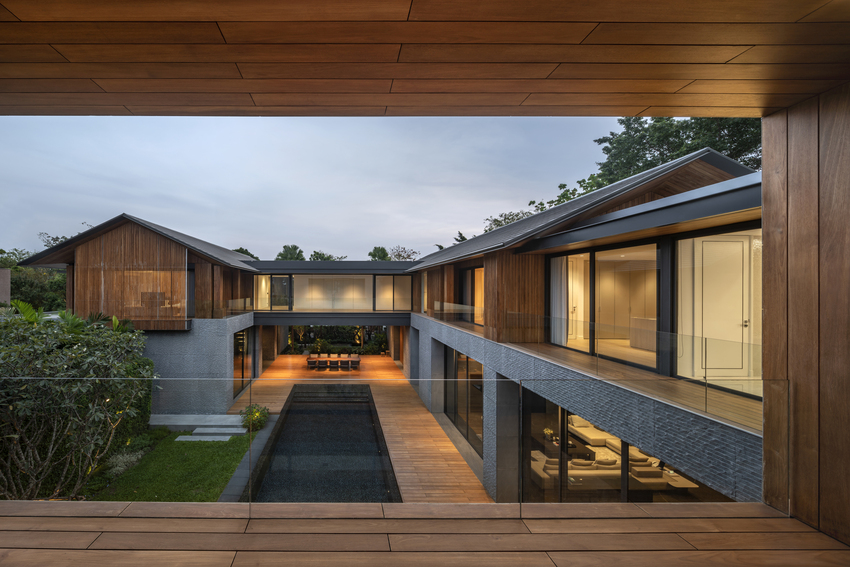
Ultimately, Architects 49 represents a vision of architecture built around longevity rather than spectacle. Its projects demonstrate how simplicity can become expressive when supported by strong ideas, careful craftsmanship, and a deep understanding of place. From Bangkok’s evolving skyline to cultural and hospitality destinations across the region, A49 continues to create architecture that feels grounded in its origins while looking confidently toward the future. Its enduring lesson is perhaps the simplest one: great architecture does not need to shout to leave a lasting impression.
//